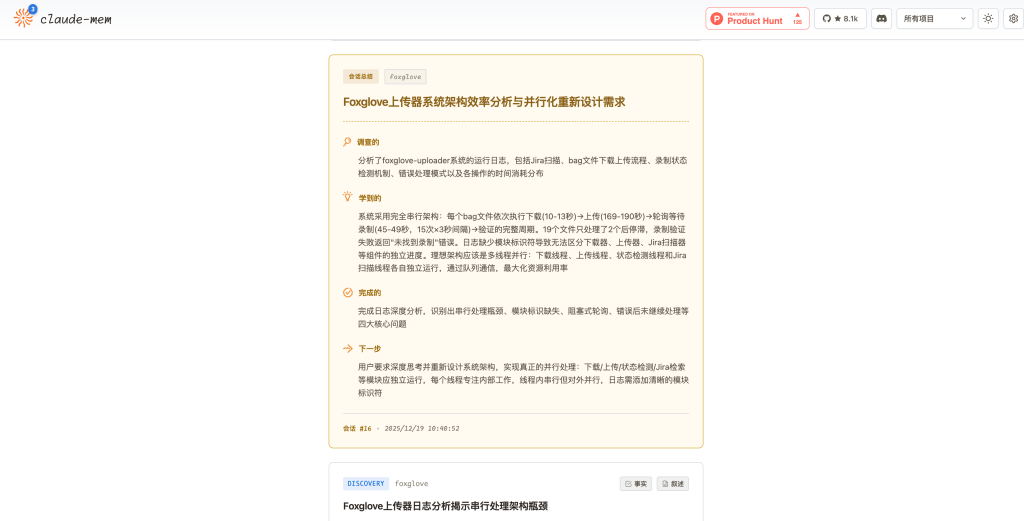
Claude-Mem 中文版来了:让 AI 终于有了"记忆"
Claude-Mem 解决 Claude Code 跨会话记忆问题,中文版上线,AI 记忆能力显著提升。
Claude-Mem 解决 Claude Code 跨会话记忆问题,中文版上线,AI 记忆能力显著提升。
详细介绍如何使用FoxCode的CodeX服务将OpenAI格式的Claude编程能力集成到您的应用中,为您提供稳定可靠的API调用,助力AI应用开发,性价比高。
探讨自建搜索引擎的优势,分析复杂外部搜索服务的局限性,及中小型项目的平衡点。
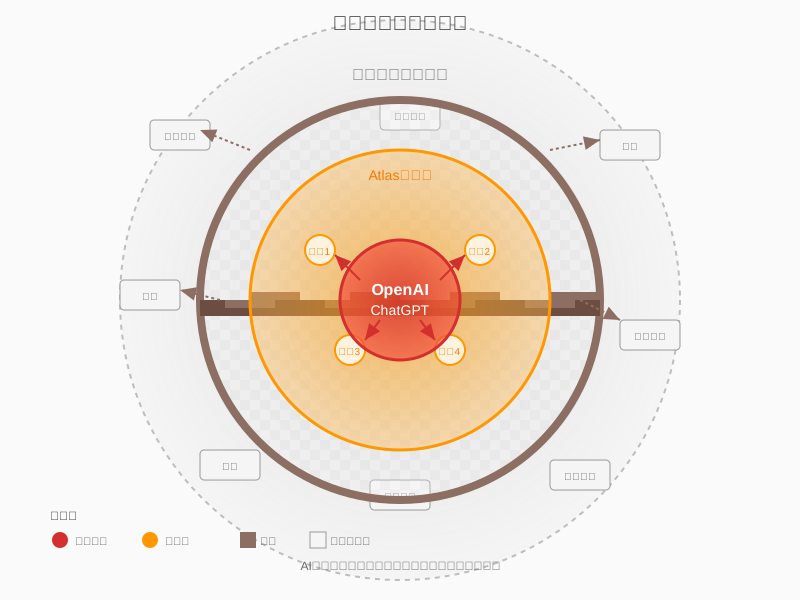
本文深度解析ChatGPT Atlas,探讨OpenAI如何通过内容过滤和AI生成内容技术构建新型围墙花园,揭示命令行界面背后的技术倒退和用户关系颠覆,为读者提供对OpenAI战略布局的全面洞察。
开发者在 V2EX 开源了 nexus-agent-sdk-python,这是为 Nexus Agent Runtime 打造的 Python 封装 SDK。系统采用分层架构:Python 层负责接入,实际的模型调用、工具执行和上下文管理由 Go 语言编写的 nxs 运行时完成。开发者可用它为程序接入能读文件、改代码、执行命令的 Agent,也支持自定义工具。SDK 支持单次任务和多轮会话,提供 MCP、Hooks 和工具权限配置;模型可通过 Anthropic 兼容接口接入,同时兼容 OpenAI Chat Completions/Responses 协议。安装包内置 nxs 和 rg,覆盖 macOS、Linux、Windows 的 x86_64 与 ARM64 平台,要求 Python 3.11 以上。项目附带与 Claude Agent SDK 的本地对照测试:设备为 M1 Pro(16GB 内存),双方均通过智谱 Coding Plan 的 GLM 模型和 Anthropic 兼容接口运行,参数设置一致。测试包含六道 Python 标准库工程题,每题每侧运行三次,共 36 次。结果显示:代码通过检查双方均为 18/18,但代码通过且会话正常结束一项,Nexus 为 17/18,Claude 为 11/18;峰值内存中位数 Nexus 为 125.9 MiB,Claude 为 315.2 MiB,低约 60.1%;模型请求总数为 249 对 301。按 API 单价折算,11 组完整用量成本 Nexus 为 0.9224 元,Claude 为 1.1075 元,低约 16.7%。项目已在 GitHub 开源,接受 issue 反馈。
核心观点:Agent SDK 竞争正从模型能力转向运行时效率,Go 重写核心层以内存与成本优势切入,工具链垂直分化时代已至。
原文链接:V2EX 分享发现
开源项目PI-Desktop发布一周内在GitHub获得3700颗Star,上线24小时即突破1000 Star,登上GitHub日趋势榜第五名及TypeScript日趋势榜第三名。该产品定位为本地优先的AI编程智能体桌面端,采用Electron与Rust构建宿主核心,集成pi Agent Harness,支持用户自行安装插件。开发者Lan曾开发文件分享工具FileCodeBox(8500 Star),目前PI-Desktop已聚集近30位协作者,累计处理193个Issue、合并126个PR。本次更新的核心功能为对话编排插件:一个会话可创建并调度多个真实独立的Session,各会话拥有独立上下文与历史记录,且能互相通信,适用于组织AI辩论赛、主会话监督多个会话同时修复不同PR和Issue等场景。此外,项目同步上线了支持LinuxDo账号登录的插件平台、可在线下载并区分全局与项目级的MCP与Skill市场,Files插件侧边栏支持全屏;社区开发者还通过插件能力实现了内存与CPU占用监控主题。开发者同时开多个会话时资源占用表现较低。后续规划包括远程内核、WSL支持与流畅度优化,全自动开发插件skill也即将推出。
核心观点:AI编程工具的竞争正从模型调用能力转向多智能体编排与插件生态,谁先建立可扩展的桌面端平台,谁就掌握开发者入口。
原文链接:Linux.do
开发者在 V2EX 分享了一款名为 ProxyLane 的开源代理工具,其核心玩法是拖拽启动:将需要走代理的应用(如 chatgpt.exe、cmd.exe)拖入工具界面启动后,该应用及其派生的全部子进程会自动经过用户预设的代理通道,而系统中其他进程的网络流量完全不受影响。使用时,用户只需在 ProxyLane 中配置一个 Profile,即常见的 HTTP 或 Socks5 协议代理地址与端口,再把目标程序拖入界面即可。例如拖入 cmd 启动命令行窗口后,窗口内执行的 codex、git、curl、npm、pip 乃至浏览器等程序都会被透明代理。与传统的全局 TUN 模式和系统代理方案不同,该工具不接管全局网络、不修改系统代理配置,实现了进程级别的精准分流。项目代码已在 GitHub 开源,其中九成以上的 C++ 代码是作者多年前手工编写并长期自用的积累,近期借助 AI 优化了易用性后决定公开分享。对于需要访问海外 AI 服务、又不想让全部流量走代理的开发者而言,这款工具提供了一种轻量、可控、可随时切换的本地化方案。
核心观点:AI 编程工具直连海外 API 的刚需,正把进程级代理从极客小众技巧变成开发者工作流的基础设施。
原文链接:V2EX 分享发现
V2EX 有用户发帖称,早上通过地铁闸机时,iPhone 钱包内的交通卡和银行卡被同时扣款。该用户提醒,如果钱包中添加的银行卡开启了 Apple Pay 小额免密支付功能,过闸机时可能被闸机 POS 机意外触发扣费,且遇到此类误扣情况,前往地铁服务窗口也无法办理退款。帖子引发社区讨论,不少用户表示需要检查 Apple Wallet 中银行卡的免密支付设置。从技术层面看,iPhone 的快捷交通卡模式本应在过闸时仅激活交通卡,但当闸机 NFC 感应设备与银行卡的闪付功能(如银联 QuickPass 小额免密)兼容时,可能出现双卡同时响应的情况。由于小额免密支付无需任何验证即可扣款,误扣往往难以被用户第一时间察觉,只有查看账单时才会发现问题。类似情况此前在国内多个城市的地铁闸机上也有零星报告,核心涉及 NFC 支付设备与卡片响应优先级的兼容问题。普通用户可通过关闭银行卡小额免密功能、在 Apple Wallet 中移除不常用银行卡、或核对交通卡快捷模式设置等方式规避风险。该事件也为手机钱包多卡片管理敲响了警钟。
核心观点:两套免验证支付机制在闸机感应区重叠即引发双扣,暴露了 NFC 多卡时代免密便利与扣费精准之间的工程矛盾。
原文链接:V2EX 分享发现
Linux.do 论坛一位开发者发帖求助,称手头的 AI Agent 数量已多到难以管理,希望社区推荐合适的 Agent 管理软件。据其描述,日常工作涉及多台 SSH 服务器、多个项目,且笔记本电脑经常断网后带走使用,因此需要工具能够自动重连并恢复多个服务器上的多个 tmux 工作区。同时,他还在运行多种 Agent CLI 命令行工具,本地也使用 Cursor、ZCode 等图形界面编程工具,并提出一个设想:这些 GUI 工具的运行状态理论上可以通过本地文件读取获取,无需进行编辑操作。发帖人指出的核心矛盾在于:Agent 实例多到记不清各自在哪里运行,逐一轮询状态也极为繁琐。他目前考虑的备选方案是搭建一个 Gateway 看板,让各个 Agent 会话主动上报自身位置与运行状态,从而实现集中监控与调度。该话题目前处于讨论初期,但已触及开发者社区一个普遍痛点:当多 Agent 并行工作流成为常态,传统 tmux、SSH 等终端工具已难以覆盖会话可观测性与生命周期管理的需求,专门的 Agent 编排与监控工具正在成为真实刚需。
核心观点:当 Agent 多到需要专职『管家』,管理与编排层正取代单点编码能力,成为 AI 编程工具链的下一个竞争高地。
原文链接:Linux.do

研究 AI 的真实使用边界时,单看“能做什么”不够。更有用的问题是:案例发生在什么场景,使用了哪些步骤,报告对归因和置信度写到了什么程度。
我把 Anthropic《Detecting and Countering Misuse of AI》中的 GTG 案例整理成了中文单页 Wiki: Anthropic GTG 案例中文全览。页面收录 44 个案例,按危害领域分组,适合查资料、准备分享或设计内部 Agent 流程时使用。
Wiki 的目录按网络行动、影响力行动、监视、常规武器研发、生物滥用、诈骗与欺诈、非法蒸馏等领域展开。每个领域下面列出案例编号、地点或组织线索,以及报告中的行为描述。
这样的排法适合做横向比较。你可以先看同一领域里的多个案例,再观察 AI 在信息收集、内容生成、自动化执行和规模化运营中的不同作用,不必在长篇报告里凭关键词反复搜索。
中文整理没有把案例改成“AI 万能模板”。原文中的低置信或中置信归因仍按原有表述保留,案例也没有被改写成产品宣传。读者可以区分报告直接描述的事实、报告给出的归因判断,以及自己对案例的进一步推断。
页面最后还保留报告的两条主线结论,方便读完案例后回看整体判断。准备内部材料时,可以先引用具体案例,再说明证据范围,不要只引用一句抽象结论。
做 AI 安全研究的人,可以把它当作案例目录;做产品或工程方案的人,可以用它检查一个 Agent 流程可能触及的风险边界;准备分享的人,则可以从一个领域挑案例,再回到原始报告核对上下文。
查看案例: 打开 Anthropic GTG 中文 Wiki